
What Is Exposed Aggregate Concrete?
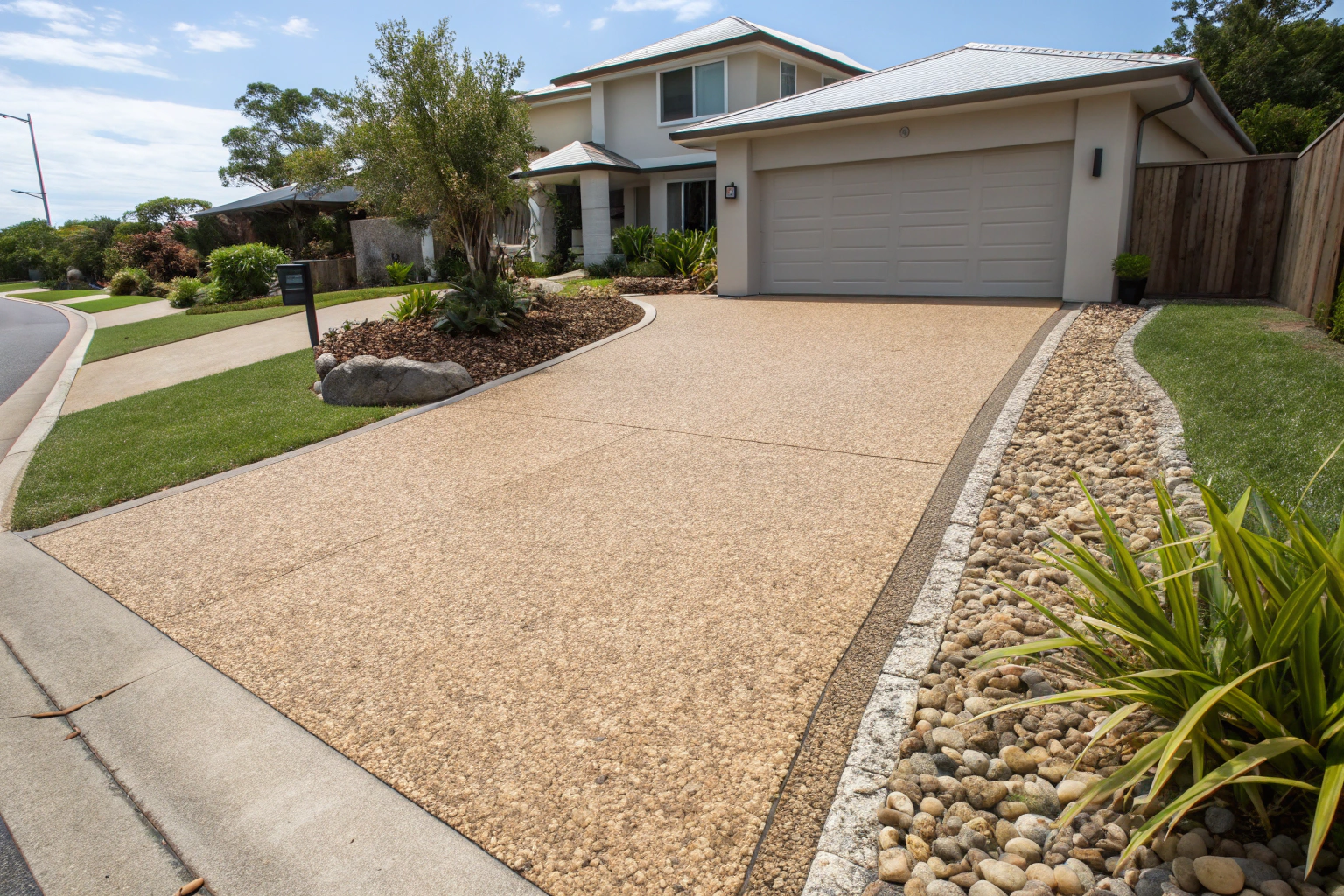
Most homeowners know what exposed aggregate looks like. Fewer know what goes into achieving it — and understanding the process makes it easier to see why the installer’s skill matters so much.
Exposed aggregate — sometimes called pebble concrete or exposed concrete — starts with a concrete mix containing decorative stones or pebbles as part of the exposed aggregate concrete mix. Once the slab is poured and levelled, a surface retarder is applied before the concrete fully sets. This slows the hardening of the top layer while the base beneath continues to cure. The surface paste is then carefully washed and brushed away, revealing the decorative stones beneath.
The result is a textured, natural-looking surface where the stone sits proud of the slab — creating both the visual appeal and the slip resistance that makes the exposed aggregate finish such a practical choice. The washing stage is where timing matters most. Too early and you lose too much paste; too late and the surface locks before the stones are properly revealed. Getting this right every time is what separates a quality result from a patchy one.

Where Exposed Aggregate Works Best on Gold Coast Properties
Exposed aggregate is one of the most versatile decorative concrete options available. Here’s where Gold Coast homeowners use it most — and why it works so well in each application.
Aggregate Options and Colour Choices
One of the things homeowners are often surprised to discover is just how much variety sits within the exposed aggregate category. The aggregate you choose shapes the entire look and feel of the finished surface.
Common options include:
- River pebbles — smooth, rounded stones in warm tones of brown, cream, and grey; the most popular choice for residential driveways and patios on the Gold Coast
- Crushed granite — angular, earthy tones that create a more textured, matte finish; works well with rendered or Hamptons-style homes.
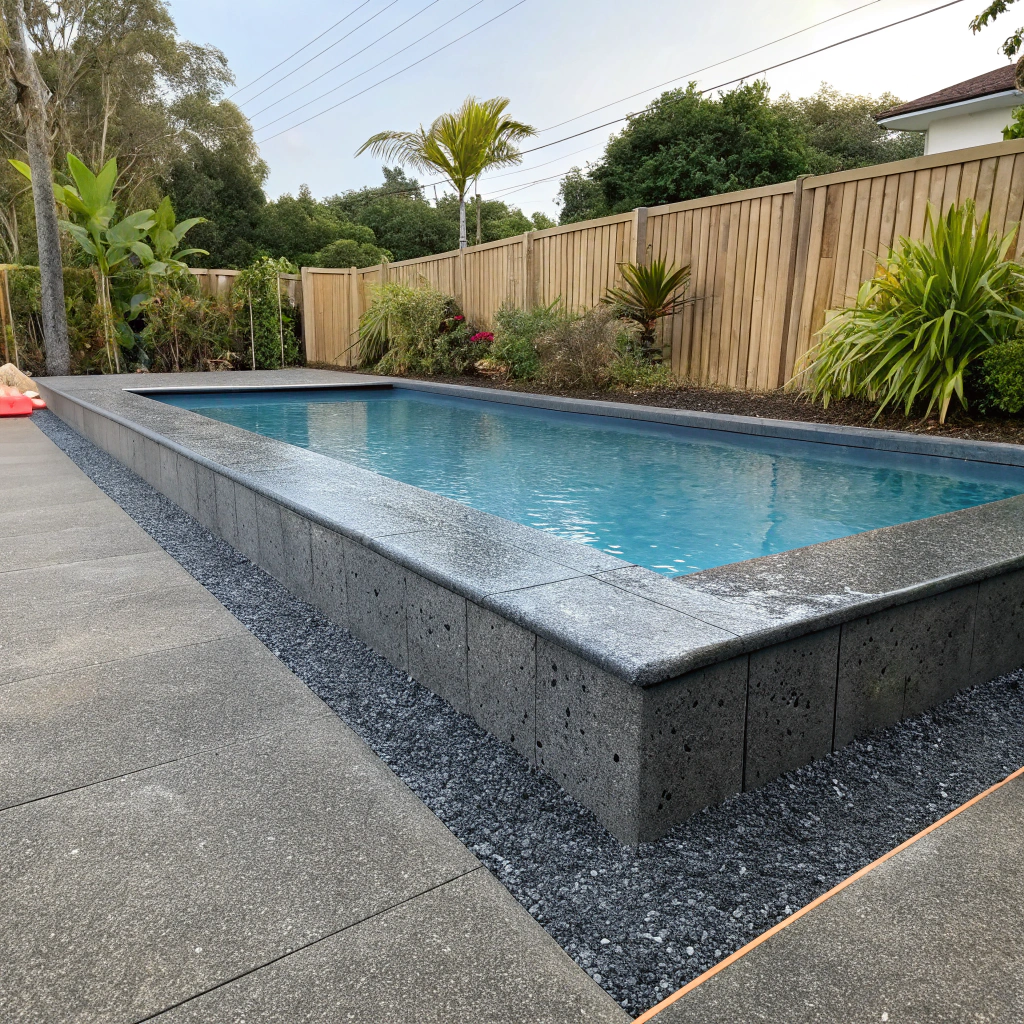
- Basalt — deep charcoal tones that suit contemporary or modern architecture; popular for pool decks paired with dark water features
- Quartz — bright, reflective crystals that add depth to the surface; well-suited to entertaining areas and feature paths
- Recycled glass — a distinctive option for homeowners after something different; the tumbled glass pieces catch the light in a way natural stone can’t replicate
The right choice often comes down to the existing tones in your home and garden. Warm river pebble tones sit naturally alongside Queensland timber, rendered brick, and native gardens. Basalt and granite tend to suit cooler, more modern colour palettes.
Why Exposed Aggregate Suits the Gold Coast Climate
The Gold Coast is tough on outdoor surfaces. Between the summer rainfall, the UV intensity, and the salt air rolling in off the coast, a finish that looks good on day one but breaks down within a few years isn’t worth the money. Exposed aggregate handles these conditions better than most.
The textured surface manages heavy summer rainfall without becoming a slip hazard — the natural gaps in the aggregate allow water to drain away rather than pool on top. Unlike painted concrete or plain grey slabs, the stone tones in exposed aggregate don’t fade under intense UV because the colour lives in the stone itself, not in a surface coating that breaks down over time.
For properties near the coast — from Surfers Paradise to Coolangatta — salt air is a real concern. Many surface finishes blister, peel, or lift when exposed to it over time. Exposed aggregate holds up well because there’s no coating to fail. The pebble concrete surface is also more forgiving of minor ground movement than a polished or smooth finish, where hairline cracks and surface blemishes show up immediately.
Exposed Aggregate vs Other Decorative Concrete Finishes
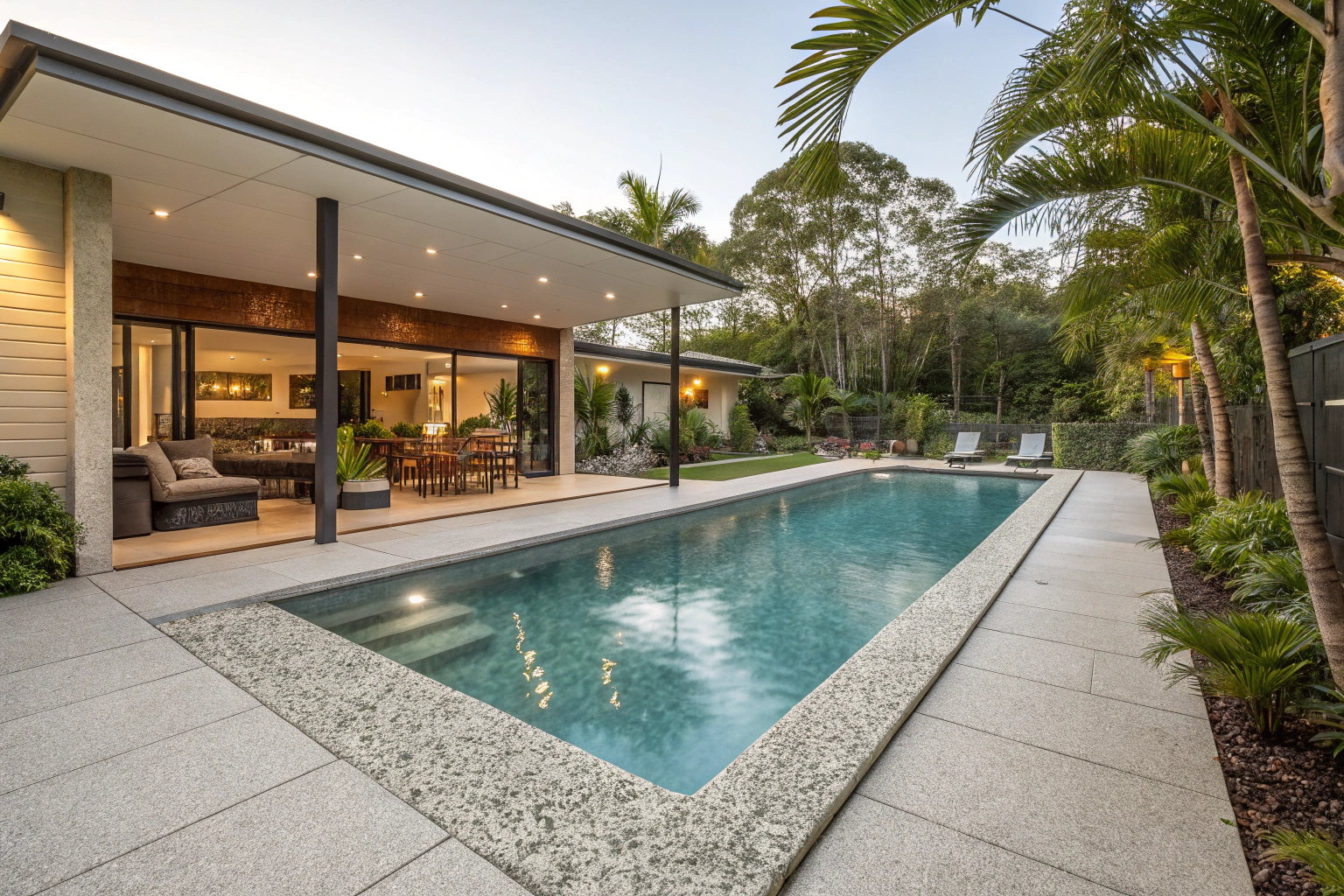
Not sure whether exposed aggregate is the right finish for your project? Here’s how it stacks up against the other options Gold Coast homeowners commonly consider.
Plain Concrete costs less upfront but offers no texture, limited colour choice, and a surface that shows every mark and crack over time.
Stamped Concrete can look impressive, but the surface coating fades, chips, and peels under Gold Coast UV. Exposed aggregate has no coating to fail, making it the more durable long-term choice.
Honed Concrete is a beautiful finish for covered or indoor areas, but lacks the grip needed for outdoor surfaces that get wet regularly.
Coloured Concrete adds a tint to the mix but stays smooth, and the colour can fade over time. With exposed aggregate, the colour lives in the stone itself — it doesn’t fade, and you get a slip-resistant surface as well.
Exposed Aggregate Cost and Pricing Guide Gold Coast
One of the most common questions we get is: how much does exposed aggregate cost per m2 on the Gold Coast? The honest answer is that it depends on a few key factors — but here’s a general guide to help you plan.
- Size of the area — larger jobs generally cost less per square metre than smaller ones.
- Aggregate type selected — standard river pebble is more affordable than premium options like quartz or recycled glass.
- Site access and preparation — tight access, slopes, or existing concrete removal will affect the overall price.
- Reinforcement requirements — thicker slabs with additional steel or mesh cost more but are the right call for driveways and heavy-use areas.
The best way to get an accurate figure for your project is a free on-site quote.
Concrete Preparation and Site Requirements
A great exposed aggregate finish starts well before the concrete is poured. What happens on-site beforehand is just as important as the pour and wash themselves.
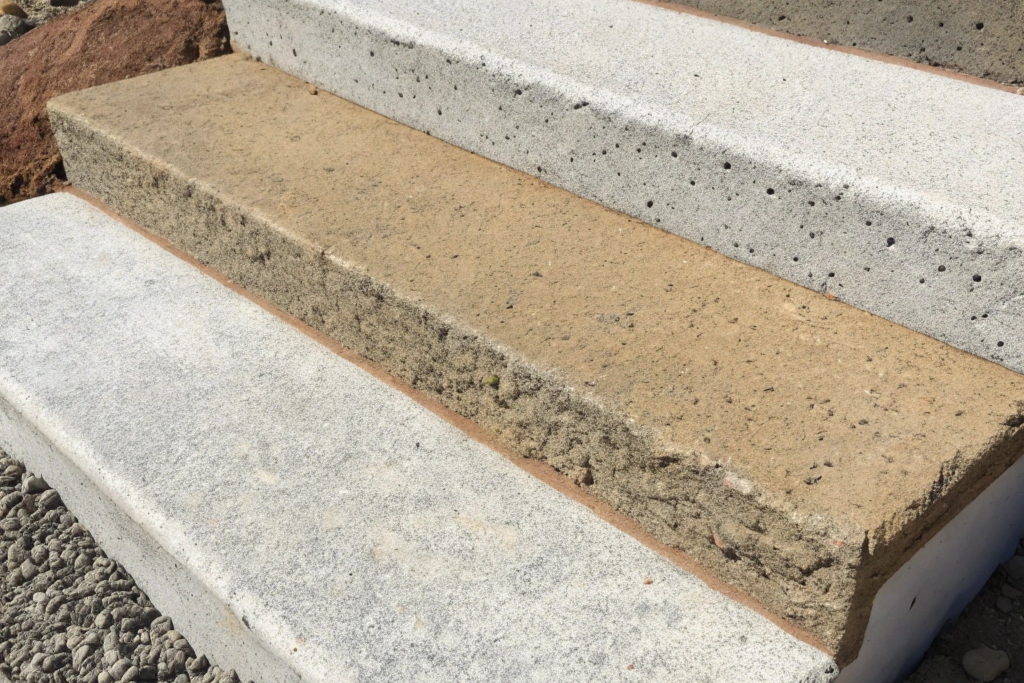
Good preparation involves clearing and levelling the area, setting up formwork to define the edges and thickness of the slab, and compacting the base to create a stable foundation. Rushing any of these steps shows up in the finished surface — an uneven base produces an uneven slab, and poor formwork leads to edges that chip over time.
For driveways and heavier-use areas, we add reinforcement — steel mesh, rebar, or post-tensioning depending on soil conditions. On the Gold Coast, reactive clay soils in areas like Coomera and Pimpama make proper reinforcement especially important for preventing cracking.
We also assess drainage before every pour. A slab with no fall will pool after rain — getting this right during preparation means the finished surface performs the way it should from day one.
Maintenance: Keeping Your Exposed Aggregate in Good Shape
Exposed aggregate is one of the lower-maintenance decorative concrete options available — but like any quality surface, it benefits from a small amount of routine care.
The main task is periodic sealing. A sealer applied every two to three years protects the cement matrix and the stone from moisture, and brings the colour and depth of the aggregate back to how it looked when freshly washed. On the Gold Coast, where UV and humidity accelerate surface weathering, keeping on top of sealing is the single best thing you can do to extend the life and look of your driveway or patio.
Beyond resealing, a periodic clean with a pressure washer removes built-up grime, leaf staining, and algae — particularly in shaded areas. Avoid acidic cleaning products, which can break down the cement paste around the aggregate and cause premature surface damage.
Frequently Asked Questions – Exposed Aggregate Gold Coast
The cost varies depending on the size of the area, the aggregate type you choose, site access, and whether any existing concrete needs to be removed first. Standard river pebble aggregate is the most affordable option, while premium finishes like quartz or recycled glass sit at the higher end. We provide free on-site quotes so you get an accurate price for your specific project before any work begins.
For a standard residential driveway or patio, the pour and wash is typically completed in one day. The concrete then needs to cure before it can be used — we recommend keeping foot traffic off for at least 24 hours and vehicles off for a minimum of seven days. We’ll give you a clear timeline when we quote your job so you know exactly what to expect.
No — and this is one of the main reasons we recommend it for pool surrounds, driveways, and outdoor entertaining areas. The textured stone surface provides natural grip even when wet, making it a much safer choice than smooth or polished concrete in areas that see rain or water splash.
Very well. The natural stone tones don’t fade under UV the way painted or coloured surface coatings can, and the textured surface handles heavy summer rainfall without pooling or becoming slippery. For coastal properties, the finish also holds up against salt air better than many other surface treatments because there’s no coating to blister or peel.
We work with a range of aggregates, including river pebbles, crushed granite, basalt, quartz, and recycled glass. Each one produces a different look, texture, and colour tone. We bring samples to your quote so you can see exactly how each option will look in the finished surface and choose the one that suits your home best.
Exposed aggregate is low maintenance. We recommend resealing the surface every two to three years to protect the stone and keep the colours looking their best — this is especially important on the Gold Coast, where UV and humidity can accelerate surface wear. Beyond that, an occasional clean with a pressure washer is all it takes to keep it looking sharp.
Get a Free Exposed Aggregate Quote — Gold Coast
At Concrete Gold Coast Specialist, we’ve laid exposed aggregate driveways, pool decks, patios, and pathways right across the Gold Coast — from Coomera and Pimpama down to Burleigh Heads and Palm Beach. We know the conditions, we know the finishes that work, and we know what a properly washed and sealed slab looks like.
Every project starts with a free, no-obligation quote.
Call us today or fill in the quote form to get started. We service all Gold Coast suburbs and surrounding areas.
📞 0756381218 📧 info@concretegoldcoast.com
