
Gold Coast Driveway Removal That Fixes the Problem for Good
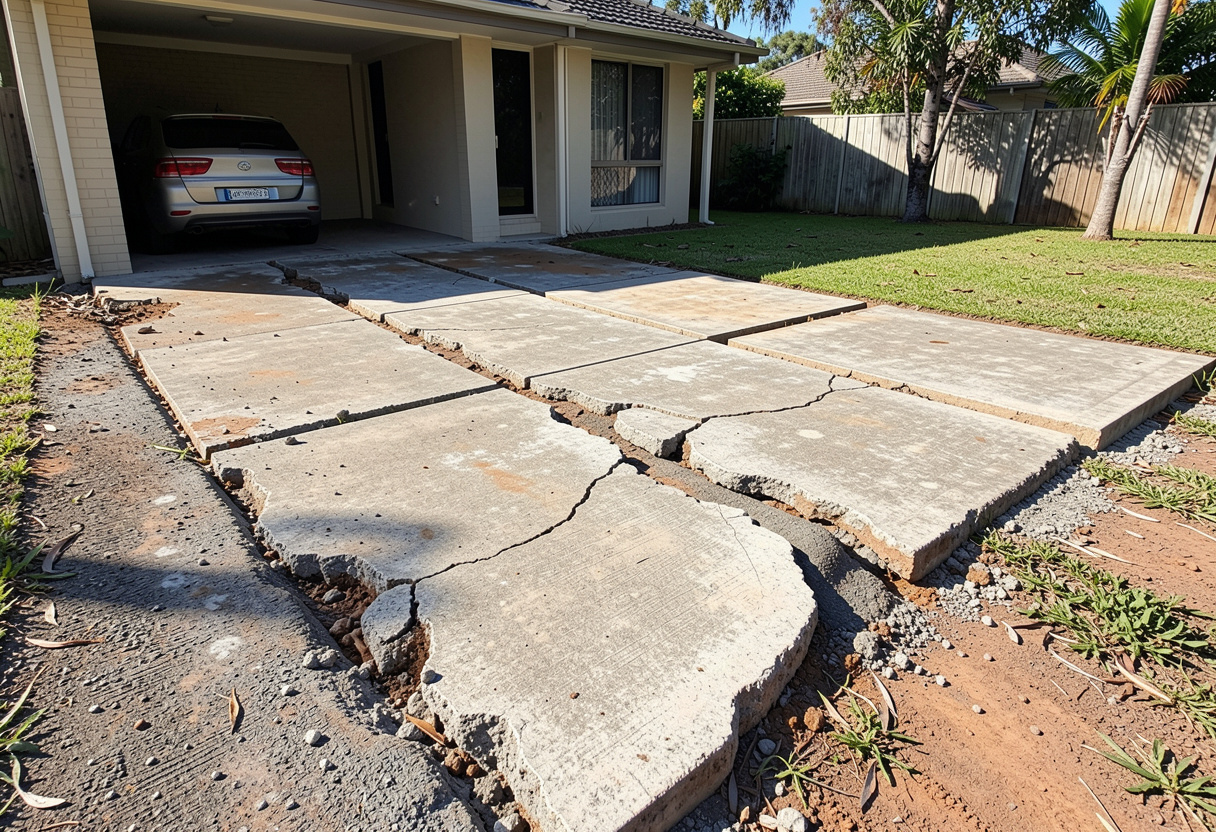
That cracked, sunken driveway out front isn’t just an eyesore — it’s a trip hazard, a drainage headache, and honestly, a surface that no amount of patching is going to fix properly. If you’ve been putting off dealing with it, you already know what I mean. Once concrete starts heaving or breaking up from underneath, resurfacing over the top just delays the problem.
Full driveway removal and replacement is the only solution that actually lasts. And the quality of that removal work? It directly affects how well your new driveway performs for the next twenty-plus years.
We’re the Gold Coast driveway removal specialists homeowners across Southport, Robina, Mudgeeraba, Varsity Lakes, and beyond have been calling when they’re ready to do the job properly. Clean removal. Minimal disruption. And the site prepared exactly right for whatever goes down next.

Driveway Removal Services We Handle on the Gold Coast
Not every driveway removal is the same job. The material, the size, what’s sitting next to it, and what’s going down after — all of it shapes how the removal gets done. Here’s what we handle.
Driveway Replacement Is Happening Across the Gold Coast Right Now
Across the Gold Coast, many homes still have original concrete driveways that are now twenty to thirty years old or more. In suburbs like Southport, Labrador, Nerang, Mudgeeraba, Robina, and Varsity Lakes, these ageing slabs are starting to show clear signs of wear.
Constant UV exposure weakens the surface, established tree roots cause lifting and cracking, and poor drainage develops as the ground shifts over time. What once was a smooth, functional driveway often becomes uneven, brittle, and difficult to maintain.
Why Proper Removal Is the First Step to a Long-Lasting New Driveway
For homeowners upgrading to exposed aggregate, coloured concrete, or pattern-imprinted finishes, the existing driveway can’t simply be covered over. The old slab needs to be fully removed to avoid future cracking and movement issues.
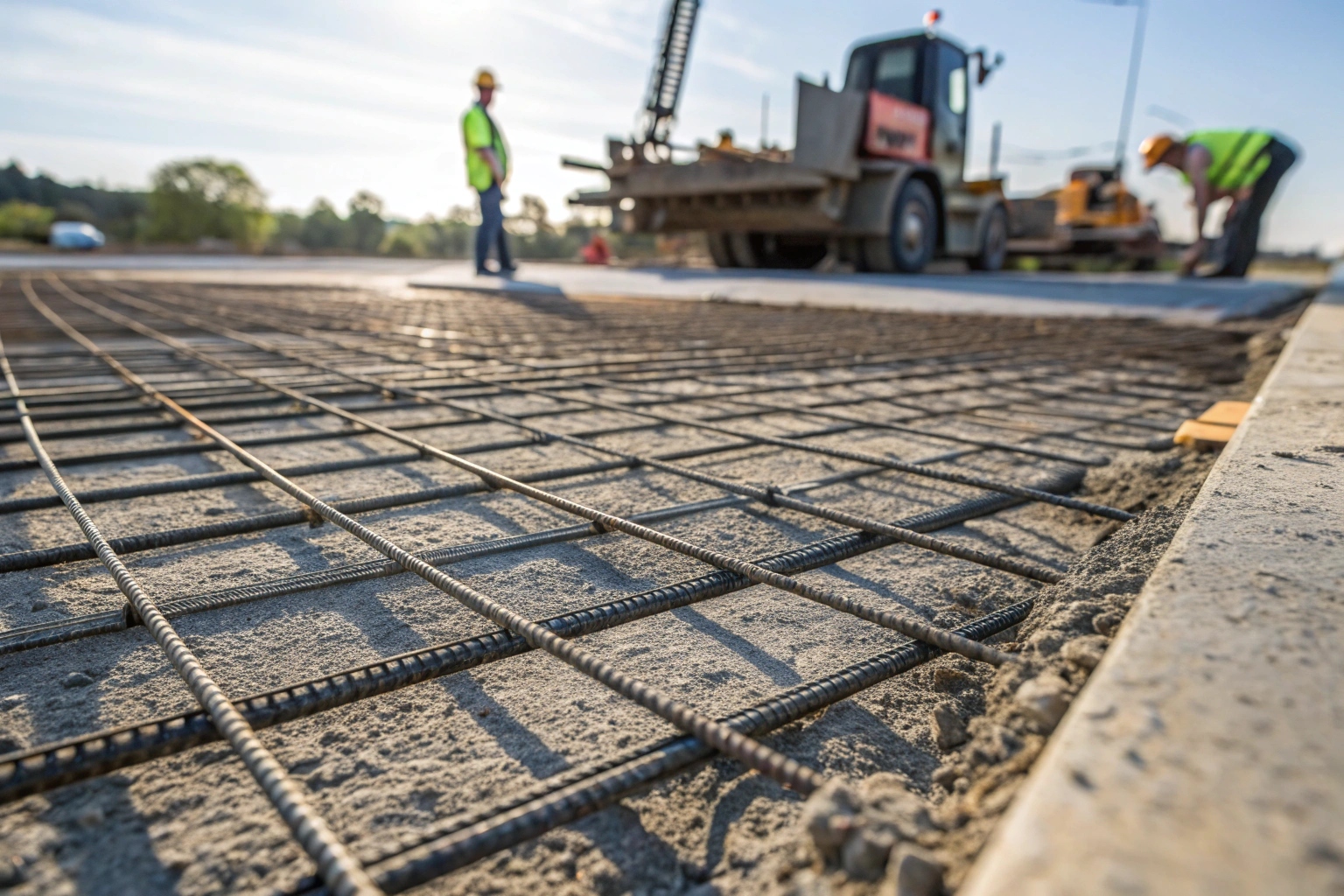
Proper driveway removal ensures a clean base, correct levels, and a solid foundation for the new installation. Done right, it sets the new driveway up to perform better, last longer, and deliver the finish you’re actually investing in.
We Locate Underground Services Before Any Breaking Starts
Before any driveway breaking or excavation begins, underground service location is not optional — it’s a requirement. Residential properties across the Gold Coast regularly have irrigation lines, electrical conduits, stormwater drainage pipes, and in some cases gas lines running beneath or adjacent to the driveway area.
We contact Dial Before You Dig on every removal project before a single cut is made. That process identifies what’s buried in and around the work area so we can break and excavate without striking anything that’s going to cause a much bigger problem than the driveway you were trying to replace. It adds a small step at the start of the job and saves a lot of grief later.
Sub-Base Assessment Once the Driveway Is Out
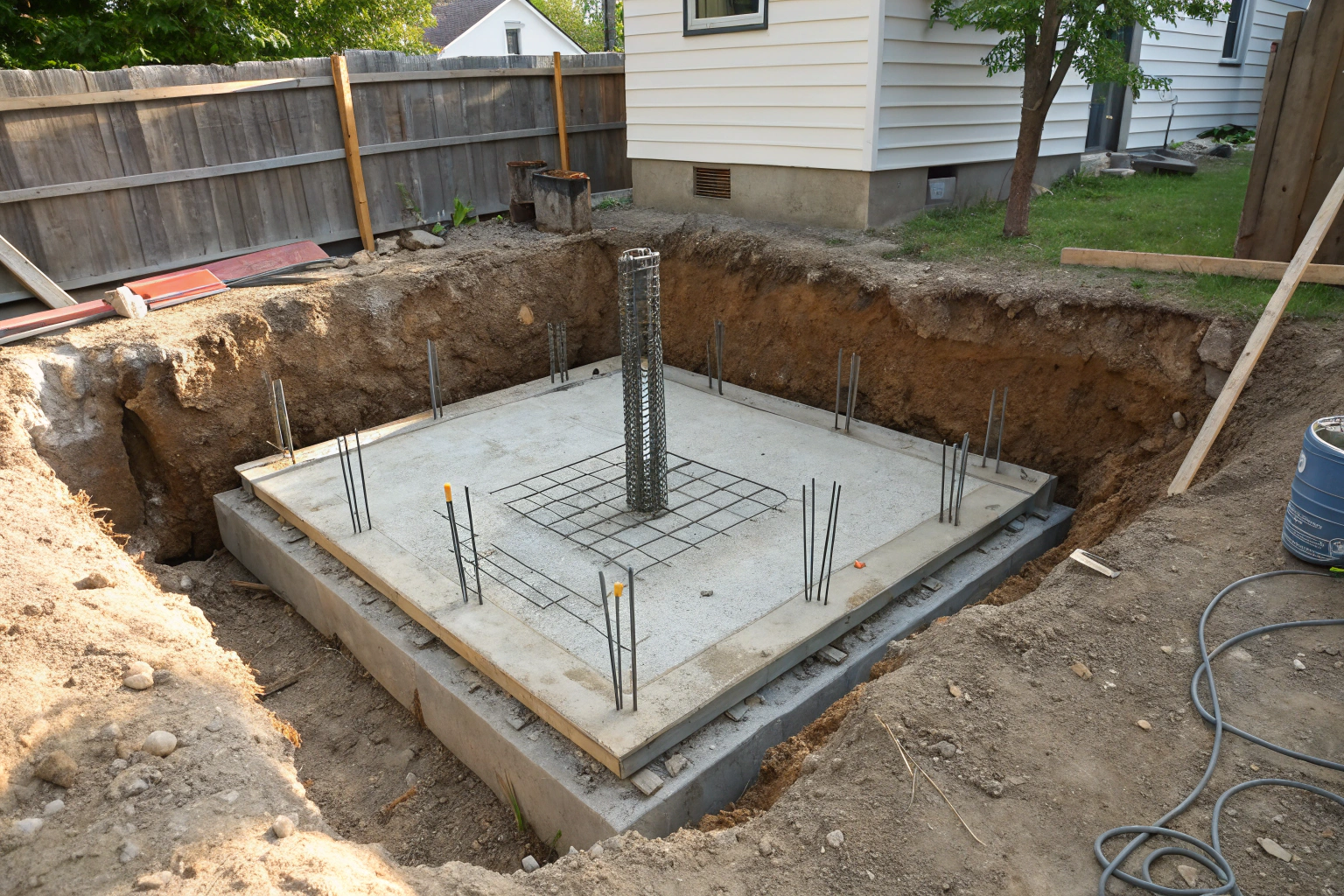
Once the old slab is removed, the exposed sub-base gets assessed before anything else happens. Compaction levels, contamination, soft spots, tree root intrusion — these are the kinds of issues that get buried under a new driveway slab if nobody looks at them first, and they’re exactly what causes new driveways to crack and move within a few years of being poured.
Identifying a poor sub-base at the removal stage means it can be fixed before the new concrete goes down — not discovered three years later when the surface starts to fail. We flag sub-base issues as a standard part of every removal project so the crew doing the new pour knows exactly what they’re working with.
Ready to Remove Your Old Driveway? Here's What to Expect From Us
Clean saw cutting at every removal boundary to protect adjacent surfaces
Controlled breaking close to existing structures, no unnecessary damage to surrounding areas
Service location completed before breaking starts, every job
Sub-base assessed and reported on once the slab is out
Responsible waste disposal — concrete and asphalt removed through appropriate licensed facilities
Licensed and insured team operating across the Gold Coast
Minimal disruption to your property from start to site clean-up
If you’ve got a driveway that’s past its best and you’re ready to do something about it, getting the removal done properly is where it starts. Get in touch today for a free quote — we’ll come out, take a look at what’s there, and give you a clear price for a clean, efficient removal that leaves your site ready for whatever comes next.


FAQs About Driveway Removal Gold Coast
How much does driveway removal cost on the Gold Coast?
Pricing depends on the size of the driveway, the material, and how accessible the site is for our equipment. A standard single-car concrete driveway in suburbs like Robina or Mudgeeraba typically costs less than most homeowners expect — especially when you factor in that we handle the full clean-up and disposal. The best thing to do is get us out for a look, because a quick site visit gives you a firm price rather than a rough guess. We offer free quotes across the Gold Coast, so there’s no cost to finding out exactly where you stand.
Do I need council approval to remove my driveway in Gold Coast?
In most cases, removing an existing residential driveway doesn’t require a development approval from Gold Coast City Council. Where it can get more involved is if you’re altering the kerb crossover or changing the way stormwater drains from the property — those situations may need a separate application. I’d always recommend checking with your installer about the new driveway specs before the old one comes out, so any required approvals are sorted in advance. Getting ahead of that early keeps the whole project on schedule.
Will the removal work damage my fence, garden beds, or the driveway next door?
This is something I take seriously on every job, because Gold Coast residential blocks aren’t always huge and things are often built close together. Saw cutting the removal boundary before any breaking starts is what keeps cracking controlled and away from your fence posts, garden edging, and the neighbour’s concrete. We use the right equipment for the space — sometimes that means smaller machinery in tighter suburban blocks around areas like Labrador or Southport where access is limited. The goal is always to leave everything outside the removal zone exactly as we found it.
Can you remove a driveway during Gold Coast's wet season?
We work year-round on the Gold Coast, and wet season doesn’t automatically stop us. Heavy rain can affect scheduling around specific days, but the actual removal process — cutting, breaking, and loading — isn’t rain-dependent the way a concrete pour is. What wet weather does do is soften the sub-base, which actually makes post-removal assessment more useful since any drainage or compaction issues show up clearly. We’ll always give you honest advice if timing needs to shift to protect the condition of the exposed sub-base ahead of your new pour.
How do I prepare my property before the removal crew arrives?
Not much is needed from your end, which is one of the things homeowners appreciate. Move any vehicles off the driveway and clear the area of pots, garden ornaments, or anything sitting along the edges. If you’ve got irrigation running under or near the driveway, let us know upfront so we can factor it into our Dial Before You Dig checks — a lot of Gold Coast properties have irrigation systems that weren’t formally documented when they were installed. Beyond that, we handle the rest.
What happens to the old concrete once it's removed from my Gold Coast property?
All the broken concrete gets loaded and taken off your property as part of the job — you won’t be left with a pile of rubble sitting on the nature strip. Concrete waste is taken to a licensed facility where it gets crushed and recycled, commonly used as road base material. Asphalt removal waste goes through a separate recycling stream as well. Responsible disposal is something we do on every job, not just when someone asks — it’s part of how we work.
