
To Replace or Resurface? Tips On How To go About Your concrete Driveway Needs Your…
What to Know Before Installing a Concrete Pool Surround
Choosing the right material for the area around your pool is an important decision that affects both safety and style. Concrete pool surrounds have become a go-to option for Australian homeowners, offering durability, versatility, and a clean look that suits any backyard. However, there are several factors to consider before committing to this investment, from safety features to maintenance requirements. Understanding these considerations will help you make an informed choice that keeps your pool area safe, attractive, and functional for years to come.
Why Concrete is a Popular Choice for Pool Surrounds
Concrete has earned its reputation as one of the most reliable materials for pool surrounds. One of the biggest advantages is its durability. Unlike timber that can rot or pavers that can shift over time, properly installed concrete can last for decades with minimal maintenance. It handles constant exposure to water, chlorine, and foot traffic without breaking down.
Another reason homeowners love concrete is its versatility. Concrete can be shaped to fit any pool design, whether you have a traditional rectangular pool or a freeform lagoon-style oasis. It creates a seamless, continuous surface that flows naturally around curves and corners.
Cost effectiveness also plays a role in concrete’s popularity. While decorative options can increase the price, basic concrete surrounds typically cost less than natural stone or premium pavers, making it an excellent choice for homeowners who want quality without exceeding their budget.
Slip Resistance and Safety Features to Look For
Safety should be the top priority when selecting a pool surround material. Wet concrete can be slippery, which creates a hazard around pools where water is constantly splashing onto the surface. This is why choosing the right finish is critical.
Textured concrete finishes provide much better grip than smooth concrete. Options like broom finish, exposed aggregate, or textured spray-on coatings add traction underfoot, reducing the risk of slips and falls. These surfaces work especially well in pool areas because they maintain their grip even when wet.
Heat retention is another safety consideration. Dark concrete can become extremely hot under the Australian sun, making it uncomfortable or even dangerous to walk barefoot. Lighter colours reflect heat better and stay cooler throughout the day.
The edges around your pool also need attention. Rounded or bullnose edges are safer than sharp corners, especially for families with children.
Concrete Finish Options: From Plain to Decorative
One of concrete’s greatest strengths is the range of finishes available. Plain grey concrete is the most economical option and provides a clean, simple look. While it may seem basic, it offers excellent functionality.
Coloured concrete adds personality without a significant price increase. Oxide colours are mixed into the concrete during installation, creating rich tones that go all the way through the material. Popular choices include sandstone, terracotta, and charcoal.
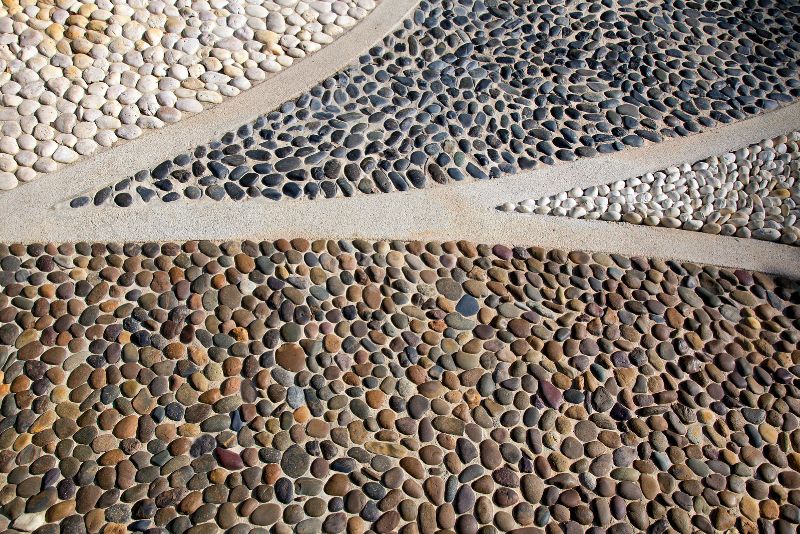
Exposed aggregate is a favourite for pool surrounds because it combines style with slip resistance. This finish reveals the natural stones within the concrete, creating a textured, visually interesting surface. It comes in various stone colours and sizes, allowing you to customise the look to match your home’s style.
Stamped or stencilled concrete can mimic the appearance of more expensive materials like natural stone or pavers at a fraction of the cost. These decorative techniques involve pressing patterns into the concrete surface before it fully sets.
Drainage and Water Management Considerations
Proper drainage is essential for any pool surround. Standing water not only creates safety hazards but can also damage the concrete over time. The concrete should be installed with a slight slope away from the pool to encourage water runoff. Typically, a fall of about one to two per cent is recommended.
Planning for where the water will go is equally important. Some homeowners direct runoff toward garden beds, while others incorporate drainage channels or grates around the pool perimeter. The best solution depends on your yard’s layout and local council requirements.
Working with experienced professionals ensures the drainage system is designed correctly from the start, preventing costly problems down the track.
Maintaining Your Concrete Pool Surround for Long-Term Performance
Concrete pool surrounds are relatively low maintenance, but they are not maintenance-free. Regular cleaning helps preserve both appearance and safety. Sweeping away debris and hosing down the surface weekly prevents dirt buildup and reduces slip hazards.
Sealing the concrete is one of the most important maintenance steps. A quality sealer protects against water penetration, chemical damage from pool treatments, and staining. Most concrete surrounds benefit from resealing every two to three years, depending on the product used and the amount of wear the surface receives.
Addressing cracks early prevents them from expanding into larger problems. Small cracks are normal as concrete settles and expands with temperature changes, but they should be filled promptly to prevent water infiltration.
Removing stains quickly also helps maintain the concrete’s appearance. Organic stains from leaves, rust marks from pool equipment, or chemical residue should be cleaned as soon as they appear.
Get Expert Help with Your Pool Surround Project
Concrete Gold Coast Specialist understands that your pool surround needs to balance safety, style, and practicality. Their team has extensive experience installing concrete pool surrounds across the Gold Coast region, working with homeowners to create outdoor spaces that look great and stand the test of time. They take care of every detail, from proper drainage planning to selecting the right finish for your specific needs. If you are ready to transform your pool area with a quality concrete surround, contact Concrete Gold Coast Specialist today for a free consultation and quote.

